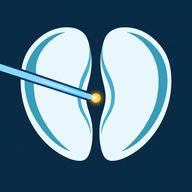
A weak or interrupted stream, difficulty starting, frequent urination, sudden urges and getting up at night are common symptoms, particularly in middle-aged and older men.
Although these symptoms are most often linked to benign prostate enlargement, they can also result from bladder dysfunction, a urinary infection, narrowing of the urethra, a stone, the effects of certain medicines or other conditions. Symptoms alone cannot reliably establish the cause.
A urological assessment is especially important when symptoms persist, gradually worsen, disturb sleep or everyday activities, or are accompanied by pain, blood in the urine, fever or an inability to urinate.
Do not wait until symptoms become severe or complications develop. Seeing a urologist in good time often makes treatment simpler and more successful, with a better chance of preserving normal bladder and kidney function.
Which symptoms should you recognise?
Urinary symptoms, collectively called lower urinary tract symptoms, can occur individually, but patients often have several at the same time.
Symptoms when passing urine
- difficulty or delay in starting urination;
- a weak or thin stream;
- a stream that stops and starts;
- needing to strain;
- taking a long time to urinate;
- a feeling that the bladder has not emptied completely;
- dribbling after finishing urination.
Symptoms between trips to the toilet
- frequent urination during the day;
- a sudden, strong urge that is difficult to postpone;
- getting up several times at night;
- urine leakage associated with a strong urge.
Symptom severity does not always reflect the degree of obstruction or prostate size. Some men gradually adapt over years: they limit fluids, avoid longer journeys or plan where they can urinate. Only then do they realise how much the problem affects their lives.
What matters is not just how often you urinate or how strong the stream is, but also how much symptoms interfere with sleep, daily activities, work and quality of life.
When should you book an appointment with a urologist?
Do not wait until urination becomes very difficult or urine cannot be passed at all. A urological assessment is recommended when:
- a weak or interrupted stream persists or gradually worsens;
- you have to strain or wait a long time for urination to start;
- you feel that the bladder has not emptied completely;
- you need to urinate again soon after finishing;
- frequency or urgency limits your daily activities;
- getting up at night disrupts sleep and leaves you tired the next day;
- you have involuntary urine leakage;
- urinary infections keep recurring;
- medicines no longer control symptoms or cause side effects;
- you have previously had urinary retention or needed a urinary catheter.
Booking an assessment does not mean you will need surgery. The aim is to identify the cause early, assess bladder emptying and choose treatment suited to symptom severity and the patient’s needs.
Delaying assessment can allow symptoms to worsen and urinary retention to develop — a condition in which the patient cannot empty the bladder adequately or at all. In acute retention, urination suddenly becomes impossible, often with pain and tension in the lower abdomen, requiring urgent catheter insertion. Long-standing incomplete emptying increases the risk of urinary infections, bladder stones, weakening of the bladder muscle and, in severe cases, kidney damage.
What can cause a weak stream and frequent urination?
A weak stream and frequent urination are symptoms, not a diagnosis. Different conditions can cause the same problems, and sometimes a patient has several causes at once.
Benign prostate enlargement
With age, the inner part of the prostate can enlarge, gradually pressing on the urethra and making it harder to empty the bladder. This may cause a weaker stream, straining, prolonged urination and a feeling of incomplete emptying.
Prostate size and symptom severity are not always directly related. A large prostate may cause relatively mild symptoms, while a smaller prostate can cause significant obstruction because of its shape and the way it narrows the urethra.
Bladder dysfunction
An overactive bladder most often causes frequency, sudden urges, night-time urination and sometimes urine leakage.
In contrast, a weakened bladder muscle cannot push urine out strongly enough. This can cause a weak stream, prolonged urination and a larger amount of urine remaining in the bladder afterwards.
Infection or inflammation
A urinary infection or inflammation of the prostate can cause frequency, urgency, burning, pain, an unpleasant smell or cloudy urine. Symptoms often start suddenly and may be accompanied by fever and general weakness.
Narrowing of the urethra
Scar-related narrowing of the urethra can cause a very thin or spraying stream, straining and incomplete bladder emptying. It can follow an injury, inflammation, previous surgery, an endoscopic procedure or catheter insertion.
Other possible causes
Urinary symptoms can also be linked to bladder stones, neurological conditions, diabetes, certain medicines or, less commonly, urinary tract tumours. Frequent night-time urination may also be related to excessive evening fluid intake, heart disease or breathing disorders during sleep.
Because symptoms overlap, “prostate treatment” will not help every patient. A urological assessment aims to establish what is actually causing the symptoms and whether the problem comes from the prostate, bladder, urethra or a combination of factors.
What does a urological assessment involve?
The aim is not simply to measure the prostate. It is to establish whether urine flow is obstructed, how well the bladder empties and whether prolonged difficulty urinating has already caused consequences.
Discussing your symptoms
The urologist will ask when symptoms began, how they have changed and how they affect sleep and daily life. Previous infections, retention, operations, catheterisations, other illnesses and medicines are also important.
A standardised questionnaire, usually the IPSS, can be used to assess symptoms objectively. It measures their severity and helps evaluate the effect of treatment later.
Clinical examination
The examination may include the abdomen, external genitalia and a digital rectal examination of the prostate. This assesses the approximate size, shape and consistency of the prostate and any changes requiring further investigation.
Urine tests and laboratory investigations
Urine testing may suggest infection, blood or other changes. If infection is suspected, a urine culture is performed.
PSA is measured when its result could influence further decisions about assessment and treatment. Kidney function is checked with blood tests when indicated.
Ultrasound
Ultrasound can assess the kidneys, bladder and prostate. It is particularly important to measure urine left in the bladder after urination, known as post-void residual urine.
A larger residual volume may indicate significant obstruction, weakened bladder muscle function or both.
Uroflowmetry
Uroflowmetry is a simple, painless measurement of urine flow. The patient urinates into a special device that records the flow rate, volume and pattern.
For a reliable result, the bladder needs to be sufficiently full and the volume passed needs to be adequate. Sometimes the test therefore has to be repeated.
Additional investigations
For patients whose main problems are frequency or night-time urination, a bladder diary can be useful. It records the times and volumes of urination and fluid intake over several days.
Flexible cystoscopy, urodynamic testing and other additional investigations are not needed for everyone. They are used when the initial assessment does not explain symptoms, when urethral narrowing or bladder disease is suspected, or before certain procedures.
The right treatment decision requires symptoms, examination findings, urine flow, residual urine and prostate anatomy to be considered together.
How are urinary symptoms treated?
Treatment depends on the cause and severity of symptoms, prostate size and anatomy, residual urine and bladder function. General health, medicines and the patient’s priorities, including preservation of ejaculation, also matter.
Monitoring and lifestyle changes
For mild symptoms without complications or significant retained urine, monitoring and simple changes in habits may sometimes be enough:
- spreading fluid intake more evenly throughout the day;
- drinking less for a few hours before bedtime;
- limiting coffee and alcohol if they worsen symptoms;
- urinating regularly without prolonged postponement;
- managing constipation;
- reviewing medicines that may affect urination.
Fluid intake should not be excessively restricted without medical advice, particularly in patients with heart or kidney disease.
Medication
Medicines can relax the muscles of the prostate and bladder neck, gradually shrink an enlarged prostate or reduce bladder overactivity. Some patients receive a combination of different groups of medicines.
The choice depends on the symptoms, prostate size, residual urine and other illnesses. Benefits and possible side effects need regular review.
Minimally invasive procedures
Minimally invasive treatments can be considered when medicines do not provide enough improvement, cause side effects or the patient does not want long-term medication.
Rezūm therapy uses water vapour energy to gradually reduce enlarged prostate tissue. It is intended for carefully selected patients, particularly when preserving sexual function and ejaculation is important. Improvement develops gradually, and the method is not equally suitable for every prostate size and anatomy.
Surgery
Surgery is considered for severe symptoms, significant obstruction, recurrent urinary retention, a large residual volume or complications of prostate enlargement.
HoLEP is an endoscopic laser operation that removes obstructing prostate tissue through the urethra. It can be used for prostates of different sizes, including very large ones, and provides thorough and durable relief of the obstruction.
Depending on the findings, TURP or other endoscopic and surgical methods may also be appropriate.
There is no single best treatment for every patient. The aim is to choose the least burdensome treatment that can resolve the individual problem effectively and durably.
Frequently asked questions
Does a weak stream always mean the prostate is enlarged?
No. Benign prostate enlargement is common, but a weak stream can also result from narrowing of the urethra, a weakened bladder muscle, neurological disease and other conditions. Examination and appropriate investigations establish the cause.
Does a larger prostate always cause more serious symptoms?
No. Prostate size and symptom severity are not always directly related. Prostate shape, the position of enlarged tissue, pressure on the urethra and the bladder’s ability to push urine out all matter.
Is night-time urination always caused by the prostate?
No. It can be related to an overactive bladder, evening fluid intake, diabetes, heart disease, swollen legs or breathing disorders during sleep. Treating the prostate alone therefore may not resolve this symptom.
Can a weak stream indicate prostate cancer?
A weak stream is much more often caused by benign prostate enlargement or other non-malignant conditions. Early prostate cancer often causes no symptoms. Symptoms alone cannot confirm or exclude cancer, so risk is assessed using examination findings, PSA and further investigations when needed.
Does every patient need surgery?
No. Many patients are successfully managed with lifestyle changes, monitoring or medicines. A procedure is considered when symptoms are severe, treatment is not effective enough, or retention and other complications are present.
Do frequency and urgency disappear immediately after the obstruction is removed?
Not always. The stream often improves quickly, while frequency, urgency and night-time urination may settle gradually. If the bladder has worked against an obstruction for a long time, it needs time to adapt. Some patients need additional treatment for remaining symptoms.
Timely assessment makes treatment easier
A weak stream, frequent urination and getting up at night should not be accepted as an inevitable part of ageing. Identifying the cause early often makes treatment simpler and improves the chance of preserving normal bladder and kidney function.
If symptoms persist, gradually worsen or affect sleep and daily activities, a urological assessment helps identify the cause in good time and develop an individual treatment plan.