What is the prostate and where is it?
The prostate is a gland in the male reproductive system. In younger adult men, it is roughly the size of a walnut. It can grow with age, but its size varies from person to person.
It lies just below the bladder and in front of the rectum, the final part of the bowel. The bladder acts as a reservoir where urine collects until you pass it.
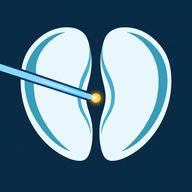
The first part of the urethra passes through the prostate. The urethra is the tube that carries urine from the bladder out of the body. The prostate therefore surrounds part of this tube, which helps explain the symptoms it can cause.
An enlarged prostate can press on and narrow the urethra, making it harder for urine to pass. This can cause a weaker stream, difficulty starting urination or a feeling that the bladder has not emptied completely. However, not every enlarged prostate causes symptoms, and not every urinary symptom is caused by prostate disease.
What does the prostate do?
The main role of the prostate is in reproduction. Seminal fluid (semen) is a mixture of sperm cells and fluid produced by the prostate, seminal vesicles and other glands. The prostate produces some of this fluid, which carries sperm cells during ejaculation, the release of seminal fluid.
The prostate does not produce sperm cells. These are made in the testicles, which are also the main source of testosterone, the male sex hormone. The prostate and testicles therefore have different roles in the reproductive system.
This distinction matters when explaining what changes after prostate surgery. It is also important to discuss erections, ejaculation and orgasm separately, because patients often think of them as the same thing.
Erections, ejaculation and orgasm — what is the difference?
To understand what may change after prostate surgery, it is important to distinguish three related but different processes.
An erection is the firming of the penis that allows sexual intercourse. Erectile dysfunction means difficulty getting or maintaining an erection that is firm enough and lasts long enough for intercourse.
Ejaculation is the release of seminal fluid through the urethra. As explained above, seminal fluid consists of sperm cells and fluid produced by the prostate, seminal vesicles and other glands.
Orgasm is the sensation of sexual climax. It usually happens together with ejaculation, but it can occur without any seminal fluid being released. This is called a “dry orgasm”. Pleasure may be preserved, although its intensity changes in some men.
No release of seminal fluid is not the same as loss of erections. A man can have an erection and an orgasm even if no seminal fluid is released at climax. A change in ejaculation should therefore not automatically be interpreted as an inability to have sexual intercourse.
Sexual function should also be distinguished from fertility. Preserved erections and orgasm do not necessarily mean that natural conception remains possible. If a patient plans to have children, the effect of the proposed treatment on fertility should be discussed before the procedure.
Does every operation remove the entire prostate?
No. “Prostate surgery” includes different procedures with different treatment aims, amounts of tissue removed and possible consequences.
Radical prostatectomy is used to treat prostate cancer. It removes the entire prostate together with the seminal vesicles. The aim is to remove the tumour.
Procedures for benign, or non-cancerous, enlargement of the prostate aim to improve urine flow and bladder emptying. Operations such as HoLEP and TURP remove the enlarged inner tissue that obstructs urination, while part of the prostate remains. With methods such as Rezūm, the treated tissue gradually shrinks, reducing pressure on the urethra.
It is also important to understand the term “minimally invasive”. It describes how a procedure is performed, but does not by itself tell you how much of the prostate is removed. For example, radical surgery can be performed laparoscopically or robotically through small incisions, but it still removes the entire prostate.
Because of these differences, the experience of a patient operated on for cancer cannot automatically be applied to someone treated for an enlarged prostate. Before a procedure, patients should be told clearly what will be removed or treated and what changes to expect in urination, erections and ejaculation.
What changes after radical removal of the prostate?
Radical prostatectomy removes the entire prostate and the seminal vesicles. Its consequences should be considered separately: changes in ejaculation, erections and urinary control are different issues.
Ejaculation, orgasm and fertility
After radical surgery, the release of seminal fluid stops permanently. However, orgasm may still be possible, although the sensation or intensity can change. A patient can experience sexual climax without releasing seminal fluid — a “dry orgasm”.
Natural conception through sexual intercourse is not possible after this operation. The testicles may continue to produce sperm cells, but their route to the urethra has been interrupted. If a patient plans to have children, freezing seminal fluid and options for assisted reproduction should be discussed before surgery.
Erections
Nerves important for erections run alongside the prostate. They can be damaged during radical surgery, and in some patients they must be removed because of the location or extent of the tumour. When it is safe from the cancer-treatment perspective, the surgeon aims to preserve these nerves.
Radical surgery does not mean that every patient will permanently lose erections. However, preserving the nerves does not guarantee preserved erections either. Recovery can take months, sometimes up to two years or longer, and some men have lasting difficulties. Medicines and other treatments are available and are chosen according to the patient’s needs.
Urinary control
Urine leakage, or urinary incontinence, can occur after surgery. In many patients, urinary control gradually improves during recovery. Pelvic floor exercises, with proper instruction, can help. Some patients have longer-lasting symptoms that need additional treatment.
What changes after HoLEP?
HoLEP is a laser operation that removes enlarged inner prostate tissue obstructing urine flow. It is performed through the urethra, without skin incisions. The outer part of the prostate remains, and the seminal vesicles are not removed. This is an important difference from radical surgery.
Erections
Most men retain the ability to have erections after HoLEP. The change in ejaculation that is common after this procedure does not mean loss of erections or an inability to have intercourse. However, the expected outcome is assessed individually for each patient.
Ejaculation, orgasm and fertility
After standard HoLEP, most patients have a reduction or absence of seminal fluid released outwards. Retrograde ejaculation is common: seminal fluid enters the bladder at orgasm instead of leaving through the penis.
Orgasm is still possible. Retrograde ejaculation does not itself damage erections and is usually not harmful to health, but it can make natural conception difficult or impossible. Patients who plan to have children should therefore discuss this with their urologist before choosing a procedure.
Urination and urinary control
After the obstructing tissue is removed, the stream usually becomes stronger and the bladder empties more easily. Frequency, sudden urges and night-time urination may improve more slowly, over the following weeks or months.
Urine leakage is also possible at first, especially when coughing, standing up or exerting yourself. In most patients it gradually improves. Pelvic floor exercises, with proper instruction, can help. Long-term leakage is less common and needs further assessment and treatment.
What changes after Rezūm and iTind?
Rezūm and iTind are minimally invasive treatments for symptoms caused by benign prostate enlargement. They improve the passage of urine without removing the entire prostate.
How do they work?
Rezūm uses water vapour, delivered into enlarged prostate tissue through the urethra using a special instrument. The treated tissue gradually shrinks, reducing pressure on the urethra. Improvement develops over the following weeks and months.
iTind is a small device temporarily placed in the part of the urethra that passes through the prostate. By applying pressure to the surrounding tissue, it creates a wider channel for urine. The device is removed after approximately five days, so no permanent implant remains in the body.
Erections and ejaculation
One advantage of these methods is the possibility of preserving erections and the release of seminal fluid. Studies to date show that these functions are generally preserved in selected patients. However, preserved ejaculation cannot be guaranteed in advance for every patient.
Urination and recovery
After Rezūm, a catheter is usually needed for several days while the initial swelling settles. Burning, frequency, sudden urges and a small amount of blood in the urine can occur during the first weeks. Symptoms may temporarily worsen at first, and the fuller treatment effect is assessed over the following months.
With iTind, the device stays in place for several days, during which temporary discomfort and urinary symptoms may occur. Its removal is a planned part of treatment.
How is the right method chosen?
The choice depends on prostate size and shape, the degree of difficulty urinating, bladder function and the patient’s priorities. With your urologist, compare the expected improvement, durability and preservation of ejaculation with other options, including HoLEP. Some patients need additional treatment later. Long-term evidence for iTind is still more limited than for established operations.
What should you know before prostate surgery?
Before a procedure, it is important to understand why treatment is being proposed, what it is intended to achieve and what changes to expect. For benign prostate enlargement, the choice depends on assessment findings and the patient’s priorities, including preservation of sexual function.
It is helpful to clarify the following with your urologist:
- What will the proposed procedure remove or treat?
- How much improvement in urination can I expect, and when?
- What are the risks to erections and urinary control?
- Could the release of seminal fluid change, and how would this affect the possibility of having children?
- What does recovery involve, and could I need further treatment later?
If a patient plans to have children, it is important to say so before choosing treatment, so that options for preserving fertility can be considered in good time.
A change in ejaculation does not automatically mean loss of erections or an inability to have intercourse. Erections, ejaculation, orgasm and fertility should therefore be discussed separately, with a clear explanation of the expected consequences of the specific procedure.
Sources for further reading
- National Cancer Institute — Understanding Prostate Changes
- SEER — Accessory Glands
- SEER — Testes
- NIDDK — Erectile Dysfunction
- Mayo Clinic — Dry Orgasm
- National Cancer Institute — Radical Prostatectomy
- BAUS — Prostate Operations
- Mayo Clinic — Prostatectomy
- Johns Hopkins — Fertility After Prostate Cancer Treatment
- National Cancer Institute — Male Fertility and Cancer
- Mayo Clinic — Holmium Laser Prostate Surgery
- Cleveland Clinic — HoLEP
- Mayo Clinic — Retrograde Ejaculation
- Cleveland Clinic — Rezūm
- EAU — Management of Non-neurogenic Male LUTS